Top 5 Water Mistakes Homebrewers Make (and How to Fix Them)

Homebrewing is not just about hops and malt; it's also about water. The quality and characteristics of the water you use can significantly impact the flavor of your beer. By understanding and correcting common water-related mistakes, you can take your brewing to the next level. Let's explore five common water mistakes that many homebrewers make and how to fix them so your next batch is the best it can be.

1. Using Tap Water Without Testing
Many homebrewers trust their tap water without checking its composition. Even though municipal water is typically safe to drink, it can have chlorine, chloramine, and other contaminants that harm your beer's flavor. Studies show that over 40% of municipalities use chloramine as a water disinfectant, which can lead to off-flavors in your brew.
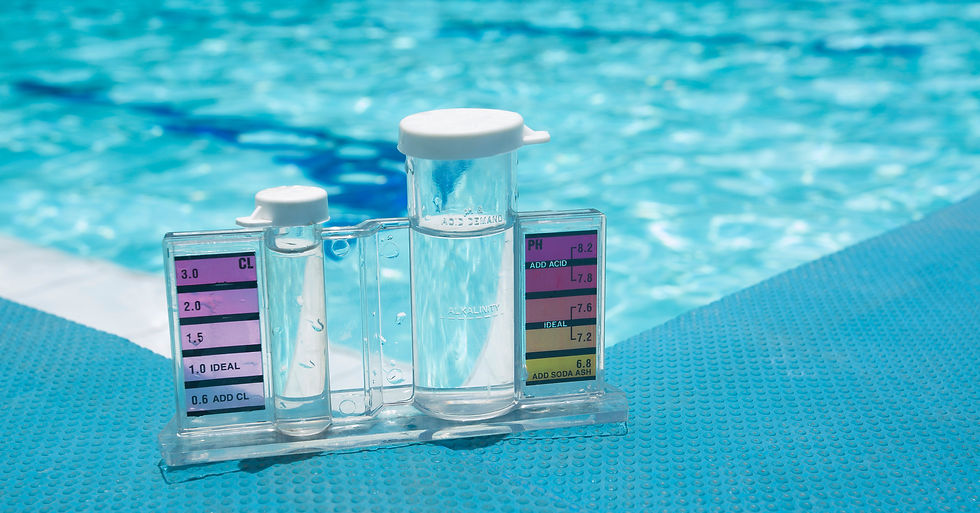
To fix this, consider investing in a water testing kit. These kits can analyze aspects like pH, hardness, and impurities. For example, if your test reveals chlorine levels higher than 0.5 ppm, consider using a carbon filter or boil the water before brewing. This simple adjustment can significantly enhance the quality of your final product.
2. Ignoring Water Chemistry
Water chemistry is crucial in brewing because different beer styles require different water profiles. For instance, a hoppy IPA thrives in water high in calcium sulfate, while a malty stout benefits from calcium chloride.
To avoid this mistake, first, research the ideal water profiles for the beers you want to brew. Brewing software tools can help you calculate the necessary mineral additions based on your water tests. For example, adding 1-2 grams of calcium chloride per liter can help achieve the desired flavor profile for a stout.
3. Not Considering Water Temperature
Water temperature is another vital factor often overlooked by homebrewers. If your water is too hot or cold, it can hinder flavor extraction during the brewing process. Ideally, your mash water should be between 150-160°F (65-71°C).
Before adding water to your mash, always check the temperature. If it's too hot, let it cool; if it's cold, use a heat source to warm it up. A 5°F variation can significantly affect enzyme activity, so precision matters.
4. Overlooking the Importance of Water Volume
Accurately measuring water volume is critical. Using too much or too little water can lead to concentration issues, affecting your beer’s flavor. A small difference, like 1 liter, can change the gravity of a 20-litre batch by up to 0.01, significantly influencing the final taste.
To solve this, measure your water before brewing. Use a graduated container or a scale to ensure you have the correct amount for your batch size. Make sure to factor in the evaporation rate during the boil—typically around 10% for a standard brew day—and adjust your pre-boil volume accordingly.
5. Not Adjusting for Different Brewing Methods
Different brewing methods require various water considerations. For example, all-grain brewing typically uses more water for mashing and sparging compared to extract brewing.
If you're switching between methods, take the time to adjust your water calculations. If you’re using all-grain brewing, expect to use about 1.5 to 2 times the water volume compared to extract methods. Tailoring your water usage will improve your results and lead to a better tasting beer.

Final Thoughts on Water in Homebrewing
Water is a key player in homebrewing; it can enhance or spoil your beer. By avoiding these common water mistakes and implementing the fixes provided, you can elevate your brewing craft and make great-tasting beer.
Remember, brewing is a journey filled with learning and experimentation. Do not hesitate to adjust your water profile and methods as you improve. With a bit of attention and care, you will brew the perfect batch. Cheers to your next brewing adventure!


Comments